Can You Live Without a Pancreas? Life After Surgery
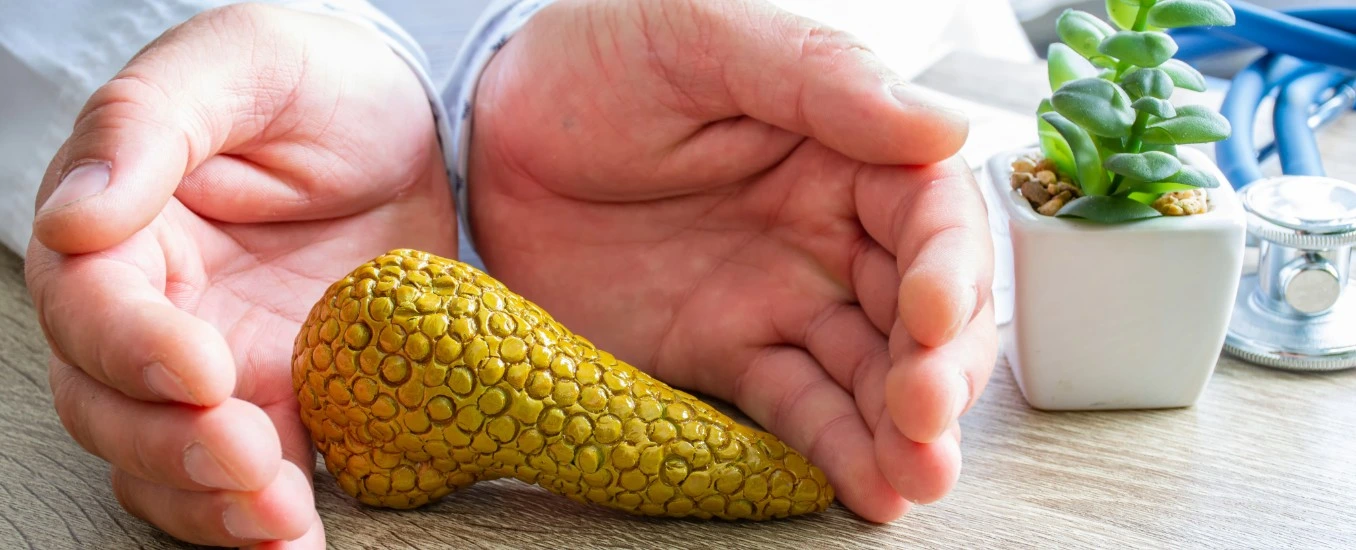
Your pancreas may be small, but it does two essential jobs. First, it helps you digest food by producing enzymes that help break down fats, proteins, and carbohydrates. Second, it regulates your blood sugar through production of hormones insulin and glucagon.1 Most of the time, it quietly works behind the scenes and you barely notice it — until something goes wrong.
Unfortunately, the pancreas can develop problems which can interfere with its ability to produce enzymes and hormones.2
Yes, it sounds scary. But did you know that people can live without a pancreas? With proper medical care, enzyme therapy, and some lifestyle adjustments, you can still live a full, active life.
Curious how this is possible? Whether you’ve just undergone surgery, have a loved one facing the procedure, or simply want to learn more, this read is for you.
When Pancreas Surgery Becomes a Life-Saving Choice
Doctors only recommend removing the pancreas when it’s absolutely necessary. You might need a pancreatectomy if you have pancreatic cancer, severe chronic pancreatitis, or a serious injury.2 Sometimes only part of the pancreas is removed, while in other cases, the entire organ has to go.2 The decision to remove it is never taken lightly. Keeping a diseased pancreas can sometimes be more harmful than taking it out. The goal of surgery is often to help save your life, prevent further complications, or relieve severe pain.
What Happens After Surgery?
Once your pancreas is removed, your body loses two major functions: the ability to digest food properly and the ability to regulate blood sugar.
- Digestive Changes
Without enzymes from the pancreas, your body can’t break down fats, proteins, and carbohydrates efficiently.2 This can lead to bloating, diarrhea, and weight loss.2 To compensate, you’ll take pancreatic enzyme replacement therapy (PERT).3 These pills, taken with every meal, provide the digestive support your body needs.3 It may take some time to adjust, but in some cases, they can help normalize your digestion. - Blood Sugar Control
Without insulin from your pancreas, you will develop pancreatogenic diabetes. This form of diabetes is a little different because your body also loses other hormones that help regulate glucose.4 You will need daily insulin injections or an insulin pump and regular blood sugar monitoring.5 Managing your glucose may feel overwhelming at first, but with guidance from your healthcare team, you’ll be able to develop a routine that works for you.5
The Importance of Regular Medical Check-Ups
Living without a pancreas requires ongoing medical care and the support of a compassionate, multidisciplinary team.5 Proper management of enzyme replacement therapy is essential to support healthy digestion.5 This care is best guided by a coordinated group of specialists, including endocrinologists, primary care physicians, and dietitians.5
Keeping a daily log of your meals, insulin doses, and symptoms can greatly support your recovery and long-term health. Moreover, sharing these details with your healthcare team helps them fine-tune your treatment plan and detect potential issues early. Likewise, it also ensures you feel your best as you adjust to life after pancreas surgery.
Exercise and Lifestyle Considerations
Gradually increase your daily walking to help improve blood flow and prevent complications like pneumonia and constipation.6 Avoid heavy lifting, strenuous activities, and baths for 4 to 6 weeks or until your doctor says it’s safe.6 You may shower, following instructions for incision care and any drains.6 Check with your doctor about when you can drive, resume physical activity, and return to work, which is typically around four weeks after leaving the hospital.6
Dietary Adjustments You’ll Need to Make
Life without a pancreas means paying more attention to what and how you eat. Here are some tips to help:6
- Eat smaller, more frequent meals. This helps your digestion and keeps your blood sugar steady.6
- Limit very fatty foods as they are harder to digest without enzymes.6
- Balance your meals! Include proteins, complex carbs, and healthy fats.6
Over time, you’ll learn which foods work best for your body, and meal planning will become second nature. You may need to take enzyme pills with every meal to replace the enzymes your pancreas normally produces.6
A Need for Enzyme Supplements
After pancreatic surgery, up to 80% of patients develop a problem called exocrine insufficiency, where the pancreas doesn’t produce enough digestive enzymes.7 Without enough enzymes, people can’t properly digest food, which can lead to greasy or bulky stools, weight loss, nutrient deficiencies, and other health problems.7
For this reason, your doctor may recommend supplements to help replenish your enzyme levels. One option to consider is Enzymax Forte®!7
Enzymax Forte® is specially formulated to help relieve symptoms of functional indigestion caused by enzyme deficiency or imbalance. It works by delivering targeted digestive enzymes to both the stomach and intestines — exactly where they’re needed most. This helps improve digestion, ease uncomfortable symptoms like dyspepsia and gas, and support better nutrient absorption.
The best part? Enzymax Forte® is widely accessible. You can find it online and in leading drugstores nationwide, available at a suggested retail price (SRP) of Php48.00 per capsule or Php960.00 per box of 20 capsules. For many people adjusting to life after pancreas surgery, having a reliable enzyme supplement like this can make meals more comfortable and digestion much smoother.
Even though living without a pancreas requires adjustments, it doesn’t mean giving up on life. With insulin, enzymes, and careful meal planning, you can travel, work, enjoy hobbies, and maintain your independence.
Many people report that after the initial adjustment period, their quality of life is very much intact. The key is staying organized, paying attention to your body, and maintaining regular communication with your doctors.
MAHALAGANG PAALALA: ANG ENZYMAX FORTE® AY HINDI GAMOT AT HINDI DAPAT GAMITING PANGGAMOT SA ANUMANG URI NG SAKIT.
- Cleveland Clinic Medical Professional. (2025, March 19). Pancreas. Cleveland Clinic. Retrieved from https://my.clevelandclinic.org/health/body/21743-pancreas
- Cleveland Clinic Medical Professional. (2025, July 30). Pancreatectomy. Cleveland Clinic. Retrieved from https://my.clevelandclinic.org/health/treatments/23134-pancreatectomy-surgery-removal-pancreas
- Type 3C diabetes. (2025, June 2). Cleveland Clinic. Retrieved from https://my.clevelandclinic.org/health/diseases/24953-type-3c-diabetes
- Gudipaty, L., & Rickels, M. R. (2015). Pancreatogenic (Type 3c) diabetes. Pancreapedia: Exocrine Pancreas Knowledge Base. https://doi.org/10.3998/panc.2015.35
- The multidisciplinary DSMES team. (2024, May 15). Diabetes Self-Management Education and Support (DSMES) Toolkit. Retrieved from https://www.cdc.gov/diabetes-toolkit/php/staffing-models/multidiscipline-team.html
- Pancreatic cancer surgery: what to expect at home. (n.d.). MyHealth Alberta. Retrieved from https://myhealth.alberta.ca/Health/aftercareinformation/pages/conditions.aspx?hwid=ug3582
- Enzymax Forte™ Company Core Data Sheet. Date of Revision: 07 Jan 2023.

Let your circle know about this article




Struggling with stomach pain, burning, or feeling too full after meals? These could be signs of EPI. Learn its causes, symptoms, and solutions here.


Digestive enzymes help break down food, but it offers so much more! Find out how they can help improve digestion, energy, and metabolism.

Feeling drained even after eating carbohydrates? It's likely because your body isn't fully breaking them down. Find out how digestive enzymes can help you.

For people with digestive enzyme-related problems, pancreatic enzyme replacement therapy (PERT) may be a top choice. Learn how it works here.

In 1987, Pharex then shifted to marketing and distributing generic products, while appointing Metro Drug as its exclusive brand distributor. This move proved to be timely because of the passing of the Generics Act of 1988. Many successful years followed, and in 2016, Pharex was acquired by RiteMED Inc. Even after more than 35 years in the industry, Pharex remains committed to empowering Filipino families by providing them with top-notch healthcare solutions.
More on Pharex here

27th Floor Greenfield Tower, Mayflower St. Corner Williams St., Highway Hills, Mandaluyong City


For other questions, please contact us at (02) 7971-3333 or at productsafetyph@pharexhealth.com
