Having Trouble Digesting Fats? Here’s What Can Help
When you think about losing weight, your first instinct might be to cut back on fat. It’s understandable, fat has long been seen as the culprit behind weight gain. But here’s something essential you should know: fat isn’t the enemy. In fact, it’s one of the most essential nutrients your body needs to function at its best.
Fat is your concentrated source of energy. It helps your body absorb essential fat-soluble vitamins like A, D, and E, adds flavor to food, and helps you feel satisfied after eating. For infants and toddlers, it is even more vital. Fat supports healthy growth and development during those early years.1 So the real question isn’t whether you should eat fat, it’s whether your body is digesting it properly. Because if fat isn't broken down the way it should be, it can leave you feeling bloated, tired, and in pain.
Think your body may not be absorbing fat properly? Don’t worry! This read covers some of the common causes of fat digestion issues. Moreover, here are some tips to help you against fat malabsorption.
Understanding Fat Digestion
To digest fat properly, the body relies on a coordinated effort between different organs and digestive substances.2
Mouth & Stomach
Digestion starts in the stomach, where a helper enzyme begins breaking big fats into smaller ones and releases a type of fat the body can use for energy.3 Though this step is short, it sets the stage for more complete digestion in the small intestine.
Liver
Liver produces bile, a fluid essential for emulsifying fat (breaking large fat particles into smaller droplets to increase the area for enzymes to act on).4,5
Gallbladder
The gallbladder is a small organ situated just beneath the liver. Its primary function is to store bile and maintain its concentration. Because the body doesn't constantly require bile, the gallbladder holds it until it's needed (typically after eating). When you consume a fatty meal, the gallbladder releases bile into the small intestine (specifically the duodenum), where it helps break down fat into smaller components for absorption.6
Pancreas
The pancreas makes enzymes, especially lipase, that break fats into smaller parts the body can use.7,8 It also releases a substance called bicarbonate to cancel out stomach acid, making it easier for these enzymes to do their job.9
Small Intestine
The small intestine has three sections that help your body handle fats.10 In the first part, called the duodenum, bile from the liver and enzymes from the pancreas mix with food to break fats into smaller pieces. In the middle part, the jejunum, most of these fats are absorbed and used for energy and other important functions. In the last part, the ileum, the body takes up what’s left (like bile salts) which it recycles to help keep digesting fats.10
Common Causes of Fat Digestion Problems
Fat digestion problems are more common than you think. Here's a look at what could be causing them.
1. Dietary Factors
When fat enters your small intestine, it naturally slows down how quickly your stomach empties, triggers certain digestive hormones, and helps you feel full.11 This happens because fats break down into free fatty acids. However, research suggests that when your diet is consistently high in fat, your body becomes less responsive to these fullness signals from the gut.11 As a result, your stomach may empty faster, digestive hormones change, and your appetite suppression weakens.11
2. Low Stomach Acid (Hypochlorhydria)
Hypochlorhydria simply means you don’t have enough stomach acid. Acid triggers the release of bile and pancreatic enzymes.12 Without enough acid, your body can’t break down food properly or absorb all the nutrients it needs.12 This can cause indigestion, poor nutrition, and even too much bacteria in your gut.12
3. Pancreatic Insufficiency
Certain health problems can make it difficult for the pancreas to release enzymes. One of the more common issues is pancreatic insufficiency, which can develop as a result of diabetes, aging, or smoking. In this condition, the pancreas doesn’t produce enough enzymes (particularly lipase), so fats aren’t properly digested. Instead they pass out of the body without being absorbed.1 More severe or specific conditions, such as chronic pancreatitis, cystic fibrosis, and pancreatic cancer, can also lead to pancreatic insufficiency.13
4. Gallbladder Removal
Getting your gallbladder removed changes how bile flows in your body. Instead of being stored for later use, bile now goes straight from your liver to your small intestine.14 It’s totally normal to go through a short adjustment period after surgery. For the first few weeks, you might notice it’s harder to digest fatty or heavy meals.14 However, don’t worry! This usually gets better as your body adapts.
5. Liver Disease
One of the first things that happens when your liver starts struggling is that bile doesn’t flow the way it should. Instead of moving smoothly through your biliary tract and into your small intestine, it can go back up and even leak into your bloodstream.15
This bile reflux can lead to some pretty noticeable changes in your body, like:15
- Yellowing of your eyes and skin (jaundice)
- Dark-colored pee
- Light or pale-colored poop
- Trouble digesting fatty foods
- Weight and muscle loss
- A musty smell to your breath
- Mild confusion or brain fog
- Itchy skin with no visible rash
Symptoms of Fat Malabsorption
Whatever the cause may be, when fats are not properly digested, several symptoms can occur:16,17
- Bloating and gas
- Abdominal cramps or pain after eating fatty foods
- Nausea
- Fatigue
- Deficiencies in fat-soluble vitamins (A, D, E, K) leading to dry skin, poor vision, bruising, or weakened immunity
- Steatorrhea (fatty, pale, foul-smelling stools that may float)
- Unexplained weight loss
Tips to Improve Fat Digestion
Improving fat digestion usually involves supporting the body’s natural digestive processes and identifying underlying causes. Here are some strategies:
1. Eat Smaller, More Frequent Meals
Large meals, especially those high in fat, can overwhelm your digestive system. Smaller, balanced meals are easier to process.
2. Choose Healthy Fats
Opt for easily digestible fats such as olive, canola, sunflower, soy, and corn, nuts, seeds, and fish.18 As much as possible, avoid food containing trans fats and deep-fried and heavily processed foods.18
3. Support Bile Production
Incorporating enough fiber in your diet can help promote healthy digestion and may help regulate cholesterol levels.4
4. Consider Probiotics and Prebiotics
A healthy gut microbiome plays a crucial role in digestion and absorption. Fermented foods like yogurt, kefir, sauerkraut, and fiber-rich foods help balance gut bacteria.19
6. Chew Thoroughly and Eat Mindfully
Mechanical digestion (chewing) is the first step in digestion. Chewing thoroughly stimulates digestive enzyme production and allows better absorption of fats.20
7. Try Digestive Enzyme Supplements
Lipase-containing digestive enzyme supplements can aid fat breakdown, especially for those with pancreatic insufficiency.21 If you are looking for an enzyme supplement to support your daily digestion, you might want to consider Enzymax Forte®!
Enzymax Forte® has eight microbe-derived enzymes.22 Together with proper diet and exercise, this digestive enzyme supplement may help relieve symptoms of malabsorption which are linked to an enzyme deficiency or imbalance.22 It has a capsule-inside-capsule technology that ensures targeted enzyme delivery to not only one’s stomach but also in the intestines.22 As a result, Enzymax Forte® may be recommended for groups with fat malabsorption issues, diabetics, the elderly, and people who practice prolonged fasting hours.23,17
Enzymax Forte® is available online and in leading drugstores nationwide at a suggested retail price (SRP) of Php48.00 per capsule and Php960.00 per box of 20 capsules.
When to See a Doctor
Fat malabsorption can be a symptom of serious underlying issues that require professional diagnosis and treatment. Seek medical advice if you experience any of the following:
- Constant bloating or abdominal pain
- Persistent diarrhea or greasy stools
- Signs of vitamin deficiencies (vision changes, easy bruising, dry skin)
- Sudden or unexplained weight loss
MAHALAGANG PAALALA: ANG ENZYMAX FORTE® AY HINDI GAMOT AT HINDI DAPAT GAMITING PANGGAMOT SA ANUMANG URI NG SAKIT.
- Weighing in on dietary fats. (2024, June 17). NIH News in Health. Retrieved January 5, 2026, from https://newsinhealth.nih.gov/2011/12/weighing-dietary-fats
- Omer, E., & Chiodi, C. (2024). Fat digestion and absorption: Normal physiology and pathophysiology of malabsorption, including diagnostic testing. Nutrition in clinical practice, 39 Suppl 1, S6–S16. https://doi.org/10.1002/ncp.11130
- Patricia, J. J., & Dhamoon, A. S. (2022, September 12). Physiology, digestion. StatPearls Publishing. https://www.ncbi.nlm.nih.gov/books/NBK544242/
- Cleveland Clinic Medical Professional. (2025, March 19). Bile. Cleveland Clinic. Retrieved January 5, 2026, from https://my.clevelandclinic.org/health/body/what-is-bile
- Institute for Quality and Efficiency in Health Care (IQWiG). (2023, February 28). In brief: How does the liver work? InformedHealth.org. https://www.ncbi.nlm.nih.gov/books/NBK279393/
- Institute for Quality and Efficiency in Health Care (IQWiG). (2021, April 27). In brief: How does the gallbladder work? InformedHealth.org. https://www.ncbi.nlm.nih.gov/books/NBK279386/
- Pirahanchi, Y., & Sharma, S. (2023, June 26). Biochemistry, lipase. StatPearls Publishing. https://www.ncbi.nlm.nih.gov/books/NBK537346/
- Pancreatic lipase. (n.d.). ScienceDirect Topics. Retrieved August 27, 2025, from https://www.sciencedirect.com/topics/agricultural-and-biological-sciences/pancreatic-lipase
- Novak, I., Wang, J., Henriksen, K. L., et al. (2011). Pancreatic bicarbonate secretion involves two proton pumps. The Journal of biological chemistry, 286(1), 280–289. https://doi.org/10.1074/jbc.M110.136382
- Basile, E. J., Launico, M. V., & Sheer, A. J. (2023, October 28). Physiology, nutrient absorption. StatPearls Publishing. https://www.ncbi.nlm.nih.gov/books/NBK597379/
- Little, T. J., Horowitz, M., & Feinle-Bisset, C. (2007). Modulation by high-fat diets of gastrointestinal function and hormones associated with the regulation of energy intake. The American journal of clinical nutrition, 86(3), 531–541. https://doi.org/10.1093/ajcn/86.3.531
- Hypochlorhydria. (2025, June 2). Cleveland Clinic. Retrieved January 5, 2026, from https://my.clevelandclinic.org/health/diseases/23392-hypochlorhydria
- Tian, C., Ghodeif, A. O., Arshad, S., & Gillespie, E. (2025, September 14). Pancreatic insufficiency. StatPearls - NCBI Bookshelf. https://www.ncbi.nlm.nih.gov/books/NBK555926/
- Cleveland Clinic Medical Professional. (2025, July 30). Cholecystectomy (Gallbladder removal). Cleveland Clinic. Retrieved January 5, 2026, from https://my.clevelandclinic.org/health/procedures/21614-gallbladder-removal
- Cleveland Clinic. (2023, October 4). Liver Disease: Types. Cleveland Clinic. Retrieved January 5, 2026, from https://my.clevelandclinic.org/health/diseases/17179-liver-disease
- Bile acid malabsorption. (2025, June 2). Cleveland Clinic. Retrieved January 5, 2026, from https://my.clevelandclinic.org/health/diseases/24312-bile-acid-malabsorption
- Malabsorption. (2025, June 2). Cleveland Clinic. Retrieved January 5, 2026, from https://my.clevelandclinic.org/health/diseases/22722-malabsorption
- Powell, J. (2024, November 7). Fats and Cholesterol. The Nutrition Source - Harvard Chan School. Retrieved January 5, 2026, from https://nutritionsource.hsph.harvard.edu/what-should-you-eat/fats-and-cholesterol/
- Leeuwendaal, N. K., Stanton, C., O'Toole, P. W., et al. (2022). Fermented Foods, Health and the Gut Microbiome. Nutrients, 14(7), 1527. https://doi.org/10.3390/nu14071527
- Cleveland Clinic Medical Professional. (2025, April 25). Digestive system. Cleveland Clinic. Retrieved January 5, 2026, from https://my.clevelandclinic.org/health/body/7041-digestive-system
- Digestive enzymes and digestive enzyme supplements. (2024, June 20). Johns Hopkins Medicine. Retrieved January 5, 2026, from https://www.hopkinsmedicine.org/health/wellness-and-prevention/digestive-enzymes-and-digestive-enzyme-supplements
- Enzymax Forte® Company Core Data Sheet. Date of Revision 07 Jan 2023.
- Capurso, G., Traini, M., Piciucchi, M., et al. (2019). Exocrine pancreatic insufficiency: prevalence, diagnosis, and management. Clinical and Experimental Gastroenterology, 12, 129–139. https://doi.org/10.2147/ceg.s168266

Let your circle know about this article




Feeling drained even after eating carbohydrates? It's likely because your body isn't fully breaking them down. Find out how digestive enzymes can help you.


Digestive enzymes help break down food, but it offers so much more! Find out how they can help improve digestion, energy, and metabolism.
Struggling with stomach pain, burning, or feeling too full after meals? These could be signs of EPI. Learn its causes, symptoms, and solutions here.
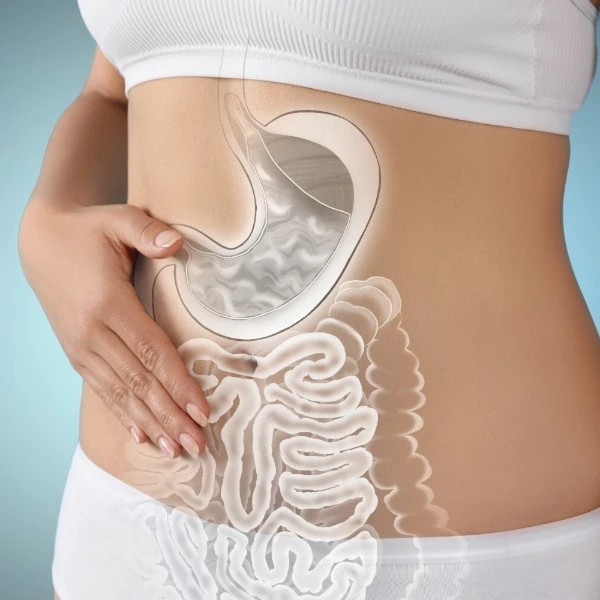
Haven't heard of lipase before? Don't worry; this guide will help you learn about this digestive enzyme's purpose in the body and where to get it.

In 1987, Pharex then shifted to marketing and distributing generic products, while appointing Metro Drug as its exclusive brand distributor. This move proved to be timely because of the passing of the Generics Act of 1988. Many successful years followed, and in 2016, Pharex was acquired by RiteMED Inc. Even after more than 35 years in the industry, Pharex remains committed to empowering Filipino families by providing them with top-notch healthcare solutions.
More on Pharex here

27th Floor Greenfield Tower, Mayflower St. Corner Williams St., Highway Hills, Mandaluyong City


For other questions, please contact us at (02) 7971-3333 or at productsafetyph@pharexhealth.com
