
How Adults Can Fast Without Triggering Indigestion
Years ago, when you heard the word “fasting,” chances are your mind went straight to medical situations. You might have thought of overnight fasts before a blood test, such as when checking your blood sugar, cholesterol, or triglyceride levels. But today, fasting has taken on a whole new meaning. It’s no longer just tied to medical checkups. It’s now widely used for weight management and even as a way to reset unhealthy eating habits.
Fasting can actually do a lot of good for your health. It’s been shown to help lower blood pressure, cholesterol, and triglycerides.1 It also seems to help with blood sugar control, weight loss, and improving how your body handles insulin.1 That makes it beneficial for people with diabetes or metabolic issues.1 Plus, fasting may help boost your immune system, fight off inflammation, and kickstart processes like autophagy, which helps your body clean up damaged cells.1 All of that can play a role in protecting you from things like infections, cancer, and autoimmune diseases.1
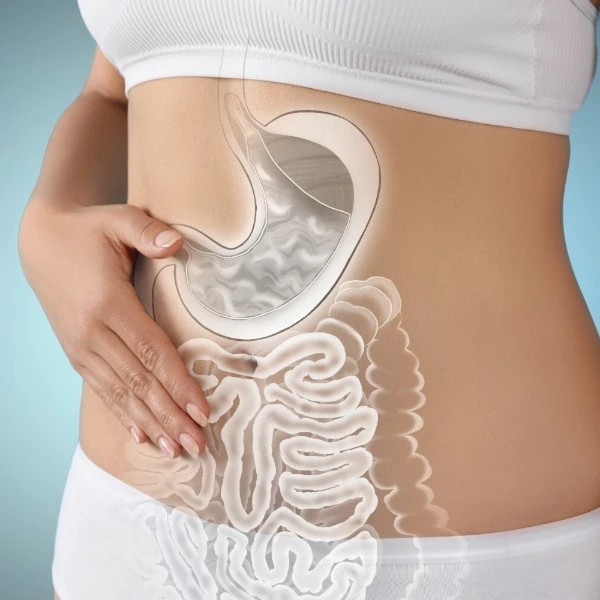
But despite its benefits, fasting doesn’t always go smoothly, especially for adults. One common issue that gets overlooked is indigestion.2 If you’ve ever experienced bloating, gas, stomach cramps, or acid reflux after fasting, you’re not alone. Many people struggle with digestive discomfort during or after long fasting periods, often without realizing what’s causing it.
Here are reasons why this happens and what you can do to fast properly without upsetting your stomach.
Why Intermittent Fasting Can Lead to Indigestion
When you fast, your body may still continue to produce stomach acid, even when there’s no food to digest.3 This buildup of acid can irritate your stomach lining, leading to that familiar burning sensation or bloated feeling. At the same time, the body’s digestive processes naturally slow down during fasting.4 Gastric motility decreases, meaning food moves more slowly through the stomach and intestines once eating resumes.4 Research also shows that fasting can downregulate digestive enzyme secretion, further reducing the efficiency of digestion.5
Moreover, some people also tend to consume large meals immediately after fasting or eating foods high in fat and spice.2 According to specialists at Cleveland Clinic Abu Dhabi’s Gastroenterology Clinic, there is a noticeable increase in patient visits during Ramadan.2 The most frequently reported conditions include gastroesophageal reflux disease (GERD) and gastritis, both of which can be worsened by dietary habits during the fasting period.2
In the Philippines, where meals often include rich dishes, white rice, and strong coffee, it’s easy to fall into habits that aggravate the digestive tract, especially after a long period of fasting.
Common Signs Your Fasting Might Be Hurting Your Gut
If you’re wondering whether fasting is affecting your digestive health, here are some symptoms to watch out for:6
- A burning sensation in the chest or upper abdomen
- Frequent burping or bloating after meals
- Headaches that manifest during the morning
- Diarrhea due to excessive secretion of salt and water
- Stomach cramps, especially after breaking your fast
- Feeling full too quickly, even after eating a small amount
- Loss of appetite or nausea following a fast
Fortunately, there are solutions to help manage or even avoid these symptoms.
How to Fast Without Triggering Indigestion
Fasting should support your health, not compromise it. With the right approach, you can fast in a way that feels good and supports your digestion. Here’s how:7
- Break Your Fast Gently
After a fast, it is crucial to reintroduce food gently to avoid overwhelming your digestive system, which has been in a state of rest. Start with fluids and a small snack, and eat slowly over five to ten minutes to give your digestive system time to adjust.8
- Cut Out Processed Food
Before starting a fast, it's best to clean up your diet by cutting out processed and overly rich foods.7 Focus on wholesome meals filled with vegetables, fruits, whole grains, legumes, and healthy fats to support your body during the transition.
- Skip the Soda and Alcohol
Sugary drinks and alcohol can lead to dehydration and blood sugar crashes, which may make fasting more difficult.7 It's a good idea to avoid them, especially in the hours leading up to your fast.
- Be Smart with Caffeine
Coffee can be fine during fasting as long as you don’t overdo it. Around three cups a day is considered safe for most healthy adults.7 Skip sugary coffee drinks and energy beverages, and if you’re unsure, it’s okay to stick with just water.
- Hydrate Well
Staying hydrated is one of the most important things you can do while fasting.7 Aim to drink about 1.8 liters of water a day during your eating window to support your body’s natural processes and energy levels.
- Take It Easy with Physical Activity
Avoid strenuous exercise or demanding chores while fasting, as your energy levels may dip.7 Gentle movements like walking, stretching, or yoga are more suitable and easier on your body.
- Be Mindful of the Weather
Extreme temperatures can affect how your body responds to fasting.7 Try to stay in comfortable environments, as very hot or cold weather can raise or lower your blood pressure and energy levels.
- Eat Wisely Before and After Fasting
Support your body by eating balanced, regular meals before and after fasting periods, including lean protein, healthy fats, and fiber-rich carbs. Again, avoid heavy, greasy meals right after fasting, as they can upset your stomach and make you feel sluggish.7
- If You Have Health Conditions, Consult a Doctor First
If you're managing conditions like diabetes, heart disease, or cancer, always talk to your doctor before starting a fast.7 Fasting can affect medications and energy levels, and your care plan might need to be adjusted for safety.
- Fasting is About Care, Not Deprivation
Fasting should support your overall well-being, not push your body beyond its limits. Listen to your body, rest when needed, and nourish yourself during eating times to make fasting a positive experience.
Natural Digestive Support You Can Try
Aside from adjusting your eating habits, certain natural remedies may help soothe your stomach. In Filipino households, ginger tea or salabat is a go-to for bloating or gas.9 Papaya, which is rich in digestive enzymes, may also help support smoother digestion.10
Probiotics and digestive enzymes can also help improve gut health, but consult your doctor before starting any supplement, especially if you have existing digestive issues or are taking medications.11
If you are looking for a digestive supplement during your fasting period, you might want to consider Enzymax Forte®!
This supplement helps relieve functional indigestion symptoms that manifest as dyspepsia and/or flatulence because of enzyme deficiency or imbalance.12 Enzymax Forte® is the only digestive enzyme formulation designed to help deliver digestive enzymes directly to the stomach and intestines, where they work best.12
For best results, Enzymax Forte® should be taken as 1 capsule at the start of the main meal. It is available online and in leading drugstores nationwide at a suggested retail price (SRP) of Php48.00 per capsule and Php960.00 per box of 20 capsules.
Who Should Be Extra Cautious When Fasting
Fasting isn’t ideal for everyone. If you have acid reflux (GERD), ulcers, irritable bowel syndrome (IBS), or other chronic digestive conditions, speak with your healthcare provider before starting a fasting plan. The same advice goes for pregnant women, those with diabetes, or anyone taking maintenance medication.
Your fasting plan should match your individual needs and health condition.
MAHALAGANG PAALALA: ANG ENZYMAX FORTE® AY HINDI GAMOT AT HINDI DAPAT GAMITING PANGGAMOT SA ANUMANG URI NG SAKIT.
- Mackieh, R., Al-Bakkar, N., Kfoury, M., Okdeh, N., Pietra, H., Roufayel, R., Legros, C., Fajloun, Z., & Sabatier, J. M. (2024). Unlocking the Benefits of Fasting: A Review of its Impact on Various Biological Systems and Human Health. Current Medicinal Chemistry, 31(14), 1781–1803. Retrieved from https://doi.org/10.2174/0109298673275492231121062033
https://pubmed.ncbi.nlm.nih.gov/38018193/ - Fasting and digestive disorders. (n.d.). Cleveland Clinic Abu Dhabi. Retrieved from https://www.clevelandclinicabudhabi.ae/en/health-byte/ramadan/fasting-and-digestive-disorders
- Fasting: health risks | Havering Directory. (n.d.). Retrieved from https://familyserviceshub.havering.gov.uk/kb5/havering/directory/advice.page?id=cvSDAIxRJZA
- Jones, R. B., Dockray, G. J., & Thompson, D. G. (2012). The effects of fasting duration on gastric emptying in man, an exploration of the role of the endocannabinoid system and inter?individual responsiveness. Neurogastroenterology & Motility, 24(10), 928. https://doi.org/10.1111/j.1365-2982.2012.01954.x
- Keller, J., & Layer, P. (2002). Circadian pancreatic enzyme pattern and relationship between secretory and motor activity in fasting humans. Journal of Applied Physiology, 93(2), 592–600. https://doi.org/10.1152/japplphysiol.00807.2001
- Rumah sakit dengan pelayanan berkualitas - Siloam Hospitals. (n.d.). Siloam Hospitals. Retrieved from https://www.siloamhospitals.com/en/informasi-siloam/artikel/7-common-diseases-during-fasting-how-to-prevent-them
- Attinà, A., Leggeri, C., Paroni, R., Pivari, F., Dei Cas, M., Mingione, A., Dri, M., Marchetti, M., & Di Renzo, L. (2021). Fasting: How to Guide. Nutrients, 13(5), 1570. https://doi.org/10.3390/nu13051570
- Duboc, H., Latrache, S., Nebunu, N., & Coffin, B. (2020). The role of diet in functional dyspepsia management. Frontiers in Psychiatry, 11. https://doi.org/10.3389/fpsyt.2020.00023
- Nikkhah Bodagh, M., Maleki, I., & Hekmatdoost, A. (2018). Ginger in gastrointestinal disorders: A systematic review of clinical trials. Food Science & Nutrition, 7(1), 96–108. https://doi.org/10.1002/fsn3.807
- Babalola, B. A., Akinwande, A. I., Otunba, A. A., Adebami, G. E., Babalola, O., & Nwufo, C. (2024). Therapeutic benefits of Carica papaya: A review on its pharmacological activities and characterization of papain. Arabian Journal of Chemistry, 17(1), 105369. https://doi.org/10.1016/j.arabjc.2023.105369
https://www.sciencedirect.com/science/article/pii/S1878535223008316 - Ullah, H., Di Minno, A., Piccinocchi, R., et al. (2023). Efficacy of digestive enzyme supplementation in functional dyspepsia: A monocentric, randomized, double-blind, placebo-controlled clinical trial. Biomedicine & Pharmacotherapy, 169, 115858. https://doi.org/10.1016/j.biopha.2023.115858
- Enzymax Forte™ Company Core Data Sheet. Date of Revision: 07 Jan 2023.

Let your circle know about this article


Digestive enzymes help break down food, but it offers so much more! Find out how they can help improve digestion, energy, and metabolism.


Feeling drained even after eating carbohydrates? It's likely because your body isn't fully breaking them down. Find out how digestive enzymes can help you.

While fasting can have its benefits, it can also impact certain functions in the body, such as digestion. Find out how the two are connected here.
Haven't heard of lipase before? Don't worry; this guide will help you learn about this digestive enzyme's purpose in the body and where to get it.

In 1987, Pharex then shifted to marketing and distributing generic products, while appointing Metro Drug as its exclusive brand distributor. This move proved to be timely because of the passing of the Generics Act of 1988. Many successful years followed, and in 2016, Pharex was acquired by RiteMED Inc. Even after more than 35 years in the industry, Pharex remains committed to empowering Filipino families by providing them with top-notch healthcare solutions.
More on Pharex here

27th Floor Greenfield Tower, Mayflower St. Corner Williams St., Highway Hills, Mandaluyong City


For other questions, please contact us at (02) 7971-3333 or at productsafetyph@pharexhealth.com
