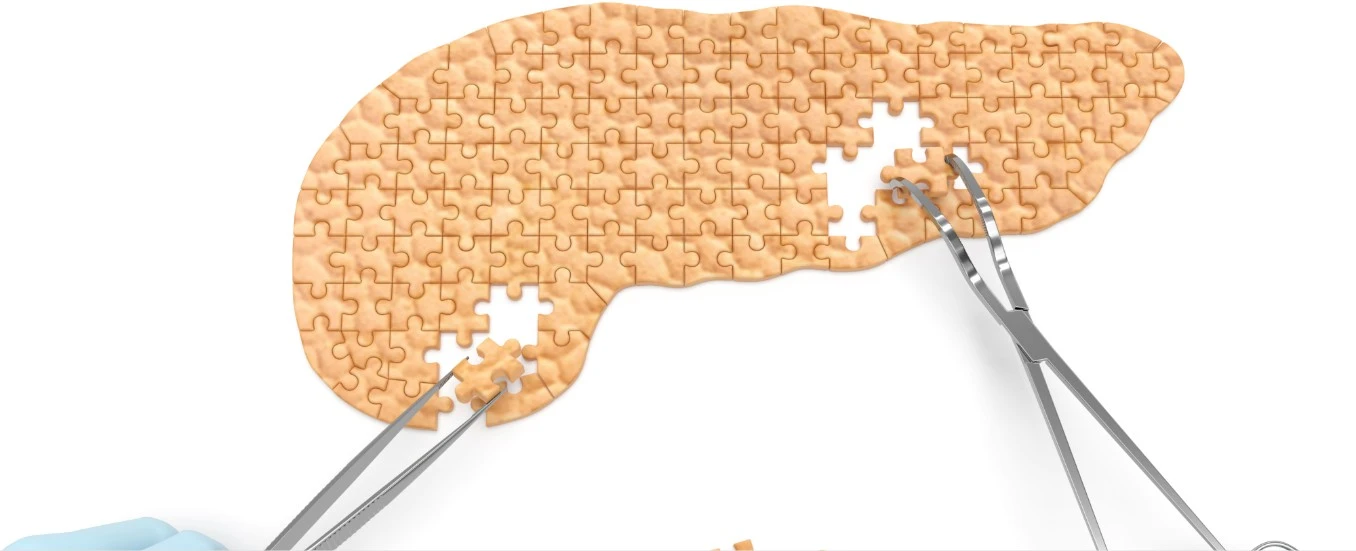
How Pancreas Removal Changes Digestion
The pancreas is an essential organ for digestion and metabolic regulation. This organ plays a big role in the production of key metabolic hormones, including insulin and glucagon, and digestive enzymes that break down food.1
Unfortunately, some people may be at risk of or even be advised by a doctor to undergo a pancreatectomy, or a surgical procedure that’ll entail partial or complete removal of the pancreas.2
Take a closer look at the effects of pancreas removal on the body while understanding why this surgical procedure may be necessary for some people. More importantly, learn about potential strategies that can help augment some of the effects caused by a missing pancreas and ensure the body still functions normally.
Why Is a Pancreas Removal Needed in Some Cases?
There are multiple reasons why someone may need to undergo a pancreatectomy. The two most common are tumors that may spread throughout the body or pancreatitis, an inflammation of the pancreas that may trigger severe pain and complications. However, the following health issues may also necessitate the need for a pancreatectomy:2
- Pancreatic cancer
- Pancreatic cysts
- Pancreatic neuroendocrine tumors
- Severe chronic pancreatitis
There are actually four types of pancreatic removal surgeries, namely:2
- Distal pancreatectomy: A type of partial pancreatectomy, this entails the removal of the “tail” of the pancreas or the furthest area from the organ’s center, plus a portion of the organ’s body.
- Central pancreatectomy: This procedure, which is rarely advised or indicated, involves the removal of the central area of the pancreas while leaving the tail and the head intact.
- Pancreatic duodenectomy or Whipple procedure: A procedure like this entails the removal of the head of the pancreas, the duodenum (a portion of the small intestine connected to it), the bile duct, and the gallbladder.
- Total pancreatectomy: As its name suggests, this involves the removal of the whole pancreas. However, this may also involve the removal of the duodenum, spleen, gallbladder, and lower portion of the stomach.
Ultimately, remember that pancreatic removal surgeries like these are often the “last resort” for people struggling with conditions related to this organ. This is because removing the pancreas may significantly impact the body’s digestion and nutrient absorption processes.
Understanding a Pancreatectomy’s Possible Side Effects on Digestion and More
The good news is: It is possible to live without a pancreas.2 However, some health issues can make daily living a bit more challenging after the pancreas has been surgically removed.
One example is the onset of exocrine pancreatic insufficiency (EPI) or the inability of your small intestine to digest food properly due to a lack of digestive enzymes.3 Digestive enzymes like protease, amylase, and lipase are created by the pancreas (among other organs) to break down proteins, carbohydrates, and fats from the food you eat.4
Since your body now lacks the organ that’s responsible for producing digestive enzymes, particularly after a total pancreatectomy, digesting food can be tough and may result in unexpected and uncomfortable bowel movements. In fact, participants of a study published in 2023 who underwent a pancreatectomy noted the need to be near a toilet in case of sudden bowel movements,5 a common symptom of EPI.
Patients who underwent a pancreatectomy may also have a high likelihood of developing insulin-dependent diabetes. In a study published in 2011, five patients who underwent distal pancreatectomy developed pancreatic diabetes mellitus almost a year after this surgical procedure, although the sample size was limited.6
Meanwhile, research from 2020 noted that the risk for new-onset diabetes mellitus (NODM) increased as postoperative time passed.7 A risk like this is possible because the pancreas produces insulin, a hormone that helps manage and regulate blood sugar levels.2 The lack of a pancreas ultimately leads to a deficiency in insulin, potentially resulting in spikes in blood sugar levels that may set the stage for diabetes.
Unfortunately, the potential problems for someone who underwent a pancreatectomy may not stop there. Various studies revealed that people now living without a pancreas struggle with nausea, reduced appetite and sense of taste, weight loss, physical weakness, and food intake-related challenges.5
Living Without a Pancreas — How to Get Essential Nutrients
Even if part or all of your pancreas has been removed, don’t worry, since it’s still possible to get digestive enzymes from external sources.
Some doctors can recommend pancreatic enzyme replacement therapy (PERT) capsules. PERT is the standard of care post-pancreatectomy. These typically contain digestive enzymes such as protease, amylase, and lipase, all of which help the body absorb essential nutrients.
Looking for something more accessible? Ask a doctor about a digestive enzyme supplement like Enzymax Forte®, home to a combination of eight (8) digestive enzymes, namely lipase, amylase, 4 types of protease, glucoamylase, and alpha-galactosidase.
When combined with a healthy diet and lifestyle, Enzymax Forte® helps deliver digestive enzymes to the body. This supplement also assists in addressing signs of functional indigestion, like dyspepsia and/or flatulence, that are common in people lacking digestive enzymes.8
Yes, life may become a bit more challenging if your pancreas is removed, but all hope is not lost. Remember that you can overcome these challenges with the help of external sources.
Enzymax Forte® is available online and in leading drugstores nationwide at a suggested retail price (SRP) of Php48.00 per capsule and Php960.00 per box of 20 capsules.
MAHALAGANG PAALALA: ANG ENZYMAX FORTE® AY HINDI GAMOT AT HINDI DAPAT GAMITING PANGGAMOT SA ANUMANG URI NG SAKIT.
- The digestive process: What is the role of your pancreas in digestion? (2024, May 28). Johns Hopkins Medicine. Retrieved October 22, 2025, from https://www.hopkinsmedicine.org/health/conditions-and-diseases/the-digestive-process-what-is-the-role-of-your-pancreas-in-digestion
- Cleveland Clinic Medical Professional. (2025, July 30). Pancreatectomy. Cleveland Clinic. Retrieved October 22, 2025, from https://my.clevelandclinic.org/health/treatments/23134-pancreatectomy-surgery-removal-pancreas
- Definition & Facts for Exocrine Pancreatic Insufficiency. (2025, February 21). National Institute of Diabetes and Digestive and Kidney Diseases. Retrieved October 22, 2025, from https://www.niddk.nih.gov/health-information/digestive-diseases/exocrine-pancreatic-insufficiency/definition-facts
- Denhard, M., MS, RD, LLN. (2024, June 20). Digestive enzymes and digestive enzyme supplements. Johns Hopkins Medicine. Retrieved October 22, 2025, from https://www.hopkinsmedicine.org/health/wellness-and-prevention/digestive-enzymes-and-digestive-enzyme-supplements
- Johansen, K., Ghorbani, P., Lundgren, L., et al. (2022). Symptoms and life changes after total pancreatectomy: a qualitative study. HPB, 25(2), 269–277. https://doi.org/10.1016/j.hpb.2022.11.010
- Kim, K., Jeong, C., Jeong, S., et al. (2011). Pancreatic Diabetes after Distal Pancreatectomy: Incidence Rate and Risk Factors. Korean Journal of Hepato-Biliary-Pancreatic Surgery, 15(2), 123. https://doi.org/10.14701/kjhbps.2011.15.2.123
- Dai, M., Xing, C., Shi, N., et al. (2020). Risk factors for new-onset diabetes mellitus after distal pancreatectomy. BMJ Open Diabetes Research & Care, 8(2), e001778. https://doi.org/10.1136/bmjdrc-2020-001778
- Enzymax Forte® Company Core Data Sheet. Date of Revision: 07 Jan 2023

Let your circle know about this article


Digestive enzymes help break down food, but it offers so much more! Find out how they can help improve digestion, energy, and metabolism.


For people with digestive enzyme-related problems, pancreatic enzyme replacement therapy (PERT) may be a top choice. Learn how it works here.

Understand what causes unexpected weight loss in seniors and what can be done to address this health issue immediately before it worsens their health.
Haven't heard of lipase before? Don't worry; this guide will help you learn about this digestive enzyme's purpose in the body and where to get it.

In 1987, Pharex then shifted to marketing and distributing generic products, while appointing Metro Drug as its exclusive brand distributor. This move proved to be timely because of the passing of the Generics Act of 1988. Many successful years followed, and in 2016, Pharex was acquired by RiteMED Inc. Even after more than 35 years in the industry, Pharex remains committed to empowering Filipino families by providing them with top-notch healthcare solutions.
More on Pharex here

27th Floor Greenfield Tower, Mayflower St. Corner Williams St., Highway Hills, Mandaluyong City


For other questions, please contact us at (02) 7971-3333 or at productsafetyph@pharexhealth.com
