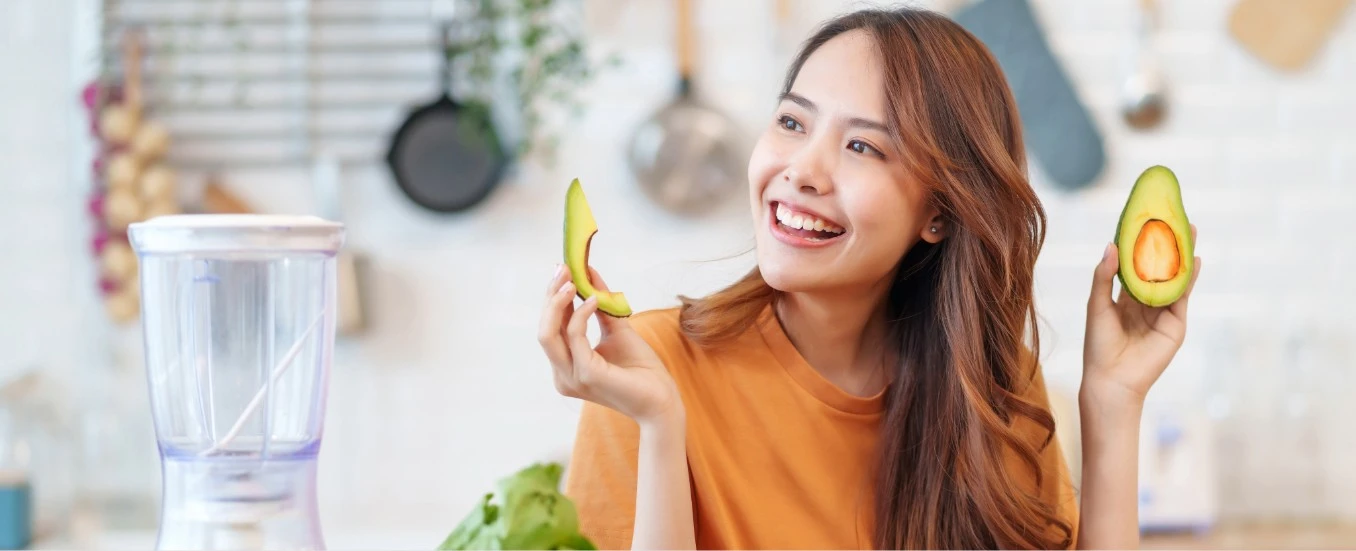
A Guide to Antioxidant Supplementation
You might be aging faster than you realize, and it’s not just about the number of candles on your birthday cake! Every day in the Philippines, environmental aggressors like heavy traffic pollution, cigarette smoke, UV exposure, and the stress of long commutes or busy workdays are quietly working against your cells.
Free radicals generated from these sources, along with normal metabolic processes, can damage your skin and internal organs, accelerating both the visible and hidden signs of aging.
The good news? You are not totally powerless against them. You can fight back against these elements with the help of antioxidants.
If you’re wondering how they help, keep reading. This guide will walk you through what they are and why they are crucial for protecting your body from daily wear and tear.
What Are Antioxidants?
Antioxidants are substances that help protect your body’s cells from damage. They do this by neutralizing free radicals—unstable molecules that can harm your cells and speed up the aging process.1
Your body makes some antioxidants on its own; these are called endogenous antioxidants.1 But you also need to get additional ones from outside sources, mainly through your diet and supplementation.1 These are known as dietary antioxidants.
So, how do antioxidants help defend you from external and internal elements? Here’s how:
Antioxidants and Aging
Aging is a complex biological process influenced by genetics, environment, and lifestyle.2 Over time, the accumulation of oxidative damage can impair the function of cells, tissues, and organs—accelerating both visible and internal signs of aging.2
For instance, oxidative stress can damage collagen and elastin, the proteins responsible for skin’s firmness and elasticity, leading to wrinkles and sagging.2 It also affects DNA and mitochondrial function, which can decrease the vitality of cells and promote age-related diseases.2
Oxidative stress damages collagen and elastin, the proteins responsible for skin firmness and elasticity, leading to wrinkles and sagging.2 It also affects DNA and mitochondrial function, decreasing cellular vitality and increasing the risk of age-related diseases.2
By neutralizing free radicals, antioxidants help slow this damage. Common antioxidants associated with anti-aging benefits include:
- Vitamin C – Stimulates collagen production and brightens skin.3
- Vitamin E – Protects cell membranes from oxidative damage.4
- Coenzyme Q10 (CoQ10) – Supports cellular energy production and helps reduce wrinkle formation.5
- Polyphenols – Found in green tea and grapes; known for anti-inflammatory and anti-aging properties.6
Regular intake of antioxidant-rich foods, combined with a healthy lifestyle, can promote longevity and help reduce age-related decline.
Antioxidants and Inflammation
Inflammation is the body’s natural response to injury or infection.7 While short-term (acute) inflammation is beneficial, chronic inflammation can be harmful and is linked to conditions such as arthritis, heart disease, type 2 diabetes, and cancer.7
Free radicals can trigger inflammation and generate even more free radicals, creating a vicious cycle.8
Antioxidants help break this cycle by neutralizing free radicals, reducing oxidative stress, and calming inflammatory responses.9 In doing so, they help protect tissues and lower the risk of chronic disease.
Antioxidants and Oxidative Stress
As mentioned earlier, living in the Philippines, where the sun shines intensely year-round and urban pollution is common, constantly exposes the skin to oxidative stress.10,11 Oxidative stress occurs when free radicals (unstable and reactive molecules), UV exposure, and environmental pollutants overwhelm the body’s antioxidant defenses, damaging cells, proteins, and DNA.10,11
In the skin, this leads to the breakdown of collagen and elastin, resulting in wrinkles and sagging, as well as uneven pigmentation.10,11 Everyday factors such as prolonged sun exposure, urban smog in cities like Manila or Cebu, smoking, poor diet, and stress all contribute to this process.
Fortunately, Antioxidants provide a protective barrier against these stressors by:12
- Neutralizing free radicals that cause oxidative damage, helping prevent wrinkles, pigmentation, and changes in skin texture.
- Reducing inflammation triggered by environmental aggressors, soothing redness and irritation.
- Supporting the skin’s natural repair processes, including repair of DNA damage caused by UV rays and other oxidative stressors.
Considering Supplementation
A balanced diet that consists of colorful fruits, vegetables, nuts, and whole grains is a great foundation for getting antioxidants. These natural compounds help your body fight free radicals and protect against cellular damage. However, not everyone gets enough from diet alone, and some people have higher antioxidant needs than others.
While the vitamin E requirements for Filipinos are relatively small and can be met through a regular diet, research shows that higher intakes (around 400 IU per day) may offer added protection against oxidative stress-related diseases, such as cardiovascular disease and certain chronic conditions. This makes supplementation beneficial for those seeking extra protection aside from what diet alone can provide.
Lifestyle factors such as chronic stress, poor sleep, high-intensity exercise, pollution, smoking, and even normal aging can all worsen oxidative stress in the body. When this happens, your natural antioxidant defenses may not be able to keep up. However, it’s essential to approach supplementation thoughtfully:
- Before starting any over-the-counter antioxidant supplement, especially if you have underlying health conditions or are taking medications, consult with a healthcare provider.
- Look for reputable brands with product information labels.
If you want to give your body the antioxidant support it needs, you can opt for Vitamin E (particularly in the form of dl-Alpha Tocopheryl Acetate). With Vitamin E, you can enjoy a range of benefits such as:
- Vitamin E helps reduce the risk of damage and disease caused by free radicals.13
- It plays a vital role in helping protect the body from stress and supports overall cell health.14
- Additionally, it aids in enhancing brain function and mental performance, while supporting youthful-looking skin.15,16
Consider dl-Alpha Tocopheryl Acetate (Vitamin E) Pharex® E!
Aging is an inevitable part of life, and while we cannot reverse its effects, we can take simple steps to care for our bodies and protect our health. dl-Alpha Tocopheryl Acetate (Vitamin E) Pharex® E offers a smart way to do just that. With its powerful antioxidant, dl-Alpha Tocopheryl Acetate (Vitamin E), Pharex® E helps combat free radicals from environmental stressors and everyday cellular processes.
Don’t wait for signs of aging or stress to catch up. Starting small today can make a meaningful difference tomorrow. dl-Alpha Tocopheryl Acetate (Vitamin E) Pharex® E is an easy and cost-effective way to give your body the antioxidant support it deserves.
dl-Alpha Tocopheryl Acetate (Vitamin E) Pharex® E contains a powerful antioxidant in the form of dl-Alpha Tocopheryl Acetate (Vitamin E), which helps boost your health in many ways.17 Take one capsule (400 IU) orally, once a day, or as prescribed by your doctor.
dl-Alpha Tocopheryl Acetate (Vitamin E) Pharex® E is available in leading drugstores and pharmacies nationwide and online via Lazada and Shopee at a suggested retail price (SRP) of Php9.95 per softgel capsule.
If symptoms persist, consult a doctor.
- Antioxidants and cancer prevention. (2017, February 6). National Cancer Institute. Retrieved March 26, 2025, from https://www.cancer.gov/about-cancer/causes-prevention/risk/diet/antioxidants-fact-sheet
- Rusu, M. E., Fize?an, I., Vlase, L., & Popa, D. S. (2022). Antioxidants in age-related diseases and anti-aging strategies. Antioxidants (Basel, Switzerland), 11(10), 1868. https://doi.org/10.3390/antiox11101868
- Pullar, J. M., Carr, A. C., & Vissers, M. C. M. (2017). The roles of vitamin C in skin health. Nutrients, 9(8), 866. https://doi.org/10.3390/nu9080866
- Sun, Y., Ma, A., Li, Y., Han, X., Wang, Q., & Liang, H. (2012). Vitamin E supplementation protects erythrocyte membranes from oxidative stress in healthy Chinese middle-aged and elderly people. Nutrition Research, 32(5), 328–334. https://doi.org/10.1016/j.nutres.2012.03.012
- Lain, E. T., Agrawal, N., Ruvolo, E., Weise, J. M., & Callender, V. D. (2024). The role of coenzyme Q10 in skin aging and opportunities for topical intervention: A review. The Journal of Clinical and Aesthetic Dermatology, 17(8), 50–55.
- Rana, A., Samtiya, M., Dhewa, T., Mishra, V., & Aluko, R. E. (2022). Health benefits of polyphenols: A concise review. Journal of Food Biochemistry, 46(10), e14264. https://doi.org/10.1111/jfbc.14264
- Cleveland Clinic Medical Professional. (2025, July 3). Inflammation. Cleveland Clinic. Retrieved March 26, 2025, from https://my.clevelandclinic.org/health/symptoms/21660-inflammation
- Chandimali, N., Bak, S. G., Park, E. H., Lim, H. J., Won, Y. S., Kim, E. K., Park, S. I., & Lee, S. J. (2025). Free radicals and their impact on health and antioxidant defenses: A review. Cell Death Discovery, 11(1), 19. https://doi.org/10.1038/s41420-024-02278-8
- Harvard Health Publishing. (2019, January 31). Understanding antioxidants. Harvard Health. Retrieved March 26, 2025, from https://www.health.harvard.edu/staying-healthy/understanding-antioxidants
- Amaro-Ortiz, A., Yan, B., & D'Orazio, J. A. (2014). Ultraviolet radiation, aging and the skin: Prevention of damage by topical cAMP manipulation. Molecules (Basel, Switzerland), 19(5), 6202–6219. https://doi.org/10.3390/molecules19056202
- Budzianowska, A., Bana?, K., Budzianowski, J., & Kikowska, M. (2025). Antioxidants to defend healthy and youthful skin—Current trends and future directions in cosmetology. Applied Sciences, 15(5), 2571. https://doi.org/10.3390/app15052571
- Fernández-García, E. (2014). Skin protection against UV light by dietary antioxidants. Food & Function, 5(9), 1994–2003. https://doi.org/10.1039/c4fo00280f
- Office of Dietary Supplements. (n.d.). Vitamin E: Health professional fact sheet. National Institutes of Health. Retrieved March 26, 2025, from https://ods.od.nih.gov/factsheets/VitaminE-HealthProfessional/
- Vitamin E. (2024, May 9). The Nutrition Source, Harvard T.H. Chan School of Public Health. Retrieved March 26, 2025, from https://nutritionsource.hsph.harvard.edu/vitamin-e/
- La Fata, G., Weber, P., & Mohajeri, M. H. (2014). Effects of vitamin E on cognitive performance during ageing and in Alzheimer’s disease. Nutrients, 6(12), 5453–5472. https://pubmed.ncbi.nlm.nih.gov/25460513/
- Vitamin E and skin health. (2024, January 2). Linus Pauling Institute. Retrieved March 26, 2025, from https://lpi.oregonstate.edu/mic/health-disease/skin-health/vitamin-E
- dl-Alpha Tocopheryl Acetate (Vitamin E) Pharex® E. Patient Information Leaflet. Date of revision: 29 October 2021. Retrieved March 26, 2025, from https://www.pharexhealth.com/products/pharex-e

Let your circle know about this article



Vitamin E is an antioxidant that helps shield the liver from harmful toxins and oxidative stress. Explore its role in liver care in this short read.

Did you know that there's more to vitamin E than just beauty and immunity? Discover the link between vitamin E and improved vision with this read.

Think you know everything about Vitamin E? Find out why this nutrient is dubbed a powerful antioxidant. Read to learn more.

Say goodbye to burnout and hello to a healthier, happier you at work. Learn how vitamin E can be a game-changer when it comes to work-life balance.

In 1987, Pharex then shifted to marketing and distributing generic products, while appointing Metro Drug as its exclusive brand distributor. This move proved to be timely because of the passing of the Generics Act of 1988. Many successful years followed, and in 2016, Pharex was acquired by RiteMED Inc. Even after more than 35 years in the industry, Pharex remains committed to empowering Filipino families by providing them with top-notch healthcare solutions.
More on Pharex here

27th Floor Greenfield Tower, Mayflower St. Corner Williams St., Highway Hills, Mandaluyong City


For other questions, please contact us at (02) 7971-3333 or at productsafetyph@pharexhealth.com
