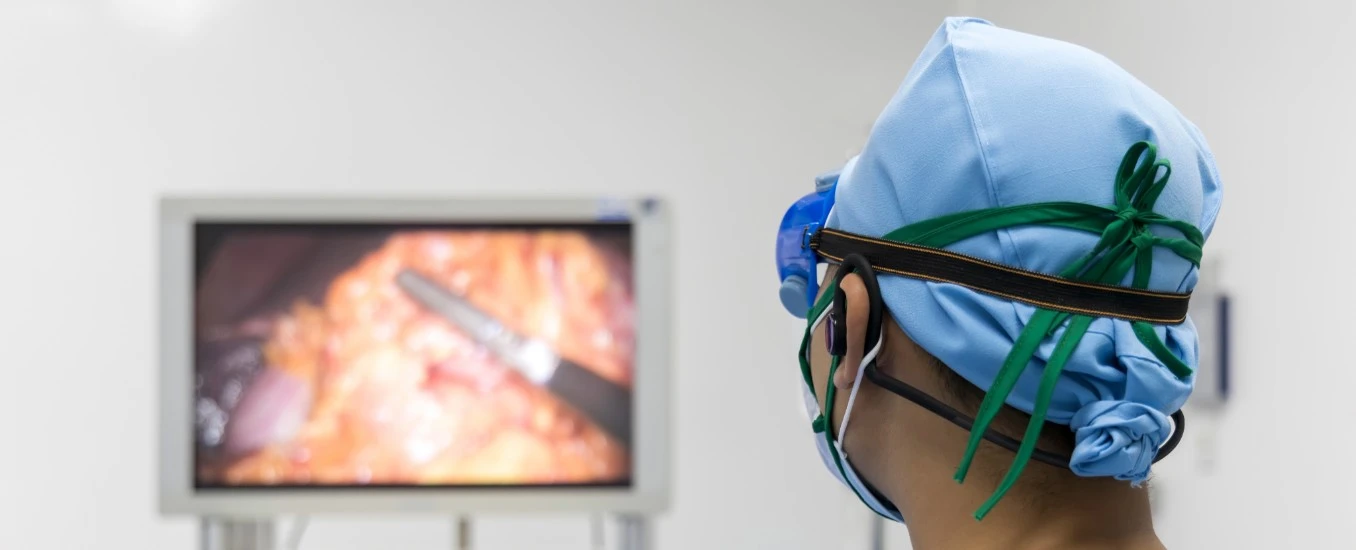
Here’s What You Can Expect After Gallbladder Removal
Having your gallbladder taken out is a big step towards feeling better, especially if you’ve been dealing with painful symptoms like severe abdominal pain, nausea, bloating, fever, or jaundice (yellowing of the skin).1,2 These symptoms can seriously impact your quality of life, and when they persist or worsen, removal of the gallbladder becomes the only option.2
Now that the procedure is done, you might be feeling relieved but also a bit unsure about what comes next. That’s completely normal. Healing takes time, and while most people recover smoothly, it’s common to experience some discomfort or digestive changes as your body adjusts to life without a gallbladder.
This guide provides a quick walkthrough of potential issues you might encounter during your recovery, along with tips on how to proactively manage each one.
What Does the Gallbladder Do?
The gallbladder is a small, pouch-like organ tucked just under your liver.3 Its main job is to store bile which is a digestive fluid your liver makes that helps break down fat.4 Whenever you eat something oily or rich, the gallbladder releases bile to help with digestion.
Common Complications After Gallbladder Removal
Here are some problems that you might encounter having your gallbladder removed:
1. Digestive Problems
Digestive problems are common after having your gallbladder removed. For starters, diarrhea occurs because your digestive system has to get used to bile flowing continuously instead of being stored in your gallbladder.5 You might also deal with constipation, especially if you’re taking pain medications after surgery.5
Gas and gas pain are another common complaint.5 This happens because surgeons use gas to inflate your abdomen during laparoscopic surgery, and that gas can cause discomfort afterward.5
What you can do:
Eat smaller, more frequent meals. Avoid deep-fried, spicy, or rich dishes for now. Slowly reintroduce foods and see how your body reacts.
2. Postcholecystectomy Syndrome (PCS)
One thing some people experience after gallbladder removal is something called post-cholecystectomy syndrome (or PCS for short).6 Basically, it means you might still have some of the same symptoms you had before surgery, like pain in the upper right side of your belly, or other digestive issues.6 Sometimes, these symptoms are leftover problems related to the gallbladder, and other times, they’re new issues that pop up after surgery.6
Common symptoms can include trouble digesting fatty foods, nausea, vomiting, heartburn, gas, indigestion, diarrhea, and even occasional jaundice or abdominal pain.6 PCS can show up pretty soon after surgery, but it’s also possible for symptoms to appear months or even years later.6
What you can do:
Keep a food diary to track what triggers symptoms. Also, ask your doctor about medications, supplements or probiotics that can help ease digestion.
3. Incision Site Pain or Infection
Mild pain around the surgical site is expected, especially in the first week. But if it becomes red, swollen, or has discharge, that could be a sign of infection.7
What you can do:
Clean the incision area as advised by your doctor. Avoid strenuous activity or carrying heavy things. If it looks or feels wrong, don’t wait! Go to your doctor.
4. Bile Leakage or Bile Duct Injury
A bile duct injury is a rare but serious complication that can happen during gallbladder surgery.8 It usually happens because of heavy inflammation around the gallbladder.8 Surgeons use special techniques to carefully identify important structures during surgery and often take photos to make sure everything is done correctly.8
What you can do:
If you experience these symptoms, go to the emergency room. This is not something to self-medicate.
Tips for a Smoother Recovery
Along with managing your complications, try these strategies to help your body heal more comfortably.
1. Follow a Gallbladder-Friendly Diet
Stick to light, low-fat meals. Try the following:9
- Egg whites
- Low-fat dairy
- Peas, beans and lentils
- Oats
- Wholegrains
- Brown rice
- Low-fat sauces and dressings
Avoid: Red meat, chicharon, butter, and whole milk.
2. Move a Little Each Day
Walking around the house or doing light chores can help blood circulation and prevent blood clots.10 Just avoid lifting heavy items.
3. Hold Going to Work for At least 2 Weeks
If you had laparoscopic surgery, the kind with smaller cuts, you’ll probably be able to get back to work or your regular activities within one to two weeks.10 If you had open surgery, expect a longer recovery time. It usually takes about four to six weeks before you’re back to normal.10
4. Don’t Skip Your Follow-Ups
Even if you feel okay, follow-up appointments help your doctor check if everything’s healing properly. Plus, you can bring up any weird symptoms you’re experiencing.
Call or visit your doctor if you have any of the following:7
- High fever or chills
- Yellow skin or eyes
- Persistent vomiting
- Swelling, redness, or pus at the surgery site
- Severe stomach pain that doesn’t go away
5. Support from Your Family Matters Too!
Let your family know how they can help, whether it’s adjusting meal plans or giving you a break from chores. Recovery becomes easier when you’re surrounded by the people who care about you.
While most people naturally adjust and recover from minor digestive discomfort, some may experience persistent symptoms that make everyday activities challenging.11 In such cases, enzyme supplementation can support your body in breaking down food more efficiently and easing discomfort.
By supporting the digestive process, enzymes may help you maintain your nutritional balance while your body heals. Talk to your doctor about incorporating an enzyme supplement like Enzymax Forte® into your diet!12
Enzymax Forte® is the only digestive enzyme product with an innovative capsule-inside-capsule dual-site release system. As a result, this two-in-one supplement helps deliver much-needed digestive enzymes to both the stomach and the intestines.12
Enzymax Forte® is available online and in leading drugstores nationwide at a suggested retail price (SRP) of Php48.00 per capsule and Php960.00 per box of 20 capsules.
MAHALAGANG PAALALA: ANG ENZYMAX FORTE® AY HINDI GAMOT AT HINDI DAPAT GAMITING PANGGAMOT SA ANUMANG URI NG SAKIT.
- Gallstones. (2025, September 11). Cleveland Clinic. Retrieved January 5, 2026, from https://my.clevelandclinic.org/health/diseases/7313-gallstones
- NHS. (2025, July 14). Why gallbladder removal is done. nhs.uk. Retrieved January 5, 2026, from https://www.nhs.uk/tests-and-treatments/gallbladder-removal/why-its-done/
- Jones, M. W., Kashyap, S., & Deppen, J. G. (2023, May 1). Physiology, gallbladder. StatPearls - NCBI Bookshelf. https://www.ncbi.nlm.nih.gov/books/NBK482488/
- Cleveland Clinic Medical Professional. (2025, April 25). Gallbladder. Cleveland Clinic. Retrieved January 5, 2026, from https://my.clevelandclinic.org/health/body/21690-gallbladder
- Cleveland Clinic Medical Professional. (2025, July 30). Cholecystectomy (Gallbladder removal). Cleveland Clinic. Retrieved January 5, 2026, from https://my.clevelandclinic.org/health/procedures/21614-gallbladder-removal
- Zackria, R., & Lopez, R. A. (2023, August 28). Postcholecystectomy Syndrome. StatPearls Publishing. https://www.ncbi.nlm.nih.gov/books/NBK539902/
- NHS. (2025, July 14). Complications of gallbladder removal. nhs.uk. Retrieved January 5, 2026, from https://www.nhs.uk/tests-and-treatments/gallbladder-removal/complications/
- Moghul, F., & Kashyap, S. (2025). Bile duct injury. StatPearls Publishing. https://www.ncbi.nlm.nih.gov/books/NBK546703/
- Khanna, A. (2025, March 6). Gallbladder Removal diet: What to eat. Mr Achal Khanna. Retrieved January 5, 2026, from https://www.privatesurgeonmiltonkeynes.com/gallbladder-removal-diet-what-to-eat-and-avoid/
- Gallbladder removal surgery: what to expect at home. (n.d.). Alberta Health Services. Retrieved January 5, 2026, from https://myhealth.alberta.ca/Health/aftercareinformation/pages/conditions.aspx?hwid=ug3371
- Zackria, R., & Lopez, R. A. (2023, August 28). Postcholecystectomy syndrome. StatPearls - NCBI Bookshelf. https://www.ncbi.nlm.nih.gov/books/NBK539902/
- Enzymax Forte® Company Core Data Sheet. Date of Revision 07 Jan 2023.

Let your circle know about this article



For people with digestive enzyme-related problems, pancreatic enzyme replacement therapy (PERT) may be a top choice. Learn how it works here.


Digestive enzymes help break down food, but it offers so much more! Find out how they can help improve digestion, energy, and metabolism.
Aging impacts digestion and nutrient absorption. Learn how gut changes affect your body and what to eat to help maintain your digestive health.
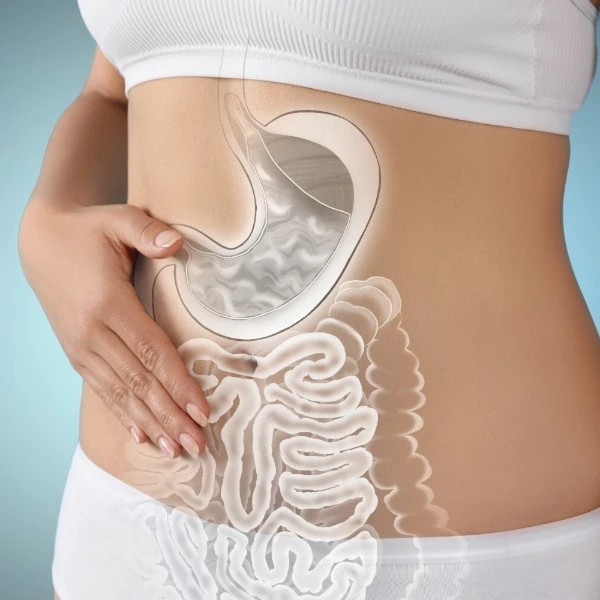
Haven't heard of lipase before? Don't worry; this guide will help you learn about this digestive enzyme's purpose in the body and where to get it.

In 1987, Pharex then shifted to marketing and distributing generic products, while appointing Metro Drug as its exclusive brand distributor. This move proved to be timely because of the passing of the Generics Act of 1988. Many successful years followed, and in 2016, Pharex was acquired by RiteMED Inc. Even after more than 35 years in the industry, Pharex remains committed to empowering Filipino families by providing them with top-notch healthcare solutions.
More on Pharex here

27th Floor Greenfield Tower, Mayflower St. Corner Williams St., Highway Hills, Mandaluyong City


For other questions, please contact us at (02) 7971-3333 or at productsafetyph@pharexhealth.com
