
How Diabetes Can Lead to Nutrient Malabsorption
Living with diabetes can feel like clocking in for a work shift that never ends! You’re testing, tracking, adjusting, and always working to keep your blood sugar in balance. That takes effort, and you should be proud of it.
However, there’s one important piece of information that often goes unnoticed: diabetes can quietly affect how your body absorbs nutrients from the food you eat. Even when you’re eating well, you might not be getting all the vitamins and minerals you need. And that is not your fault. It is simply because your body is having a harder time taking them in.
Here’s why it happens, and what to look out for.
Malabsorption in People Living with Diabetes
Normally, eating is simple: you eat, digest, and your body absorbs what it needs. But with diabetes, that process can sometimes slow down or get disrupted.
Here are some reasons why:
- Diabetic Nerve Problems
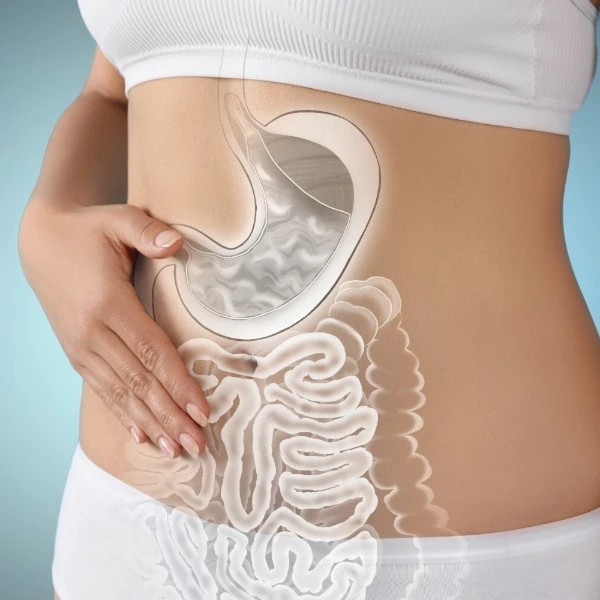
Gastroparesis is a condition where the stomach empties food more slowly than normal. It can happen when diabetes damages the nerves that control digestion.1 These nerves normally help move food through your stomach and intestines. When they’re injured, food sits in the stomach longer than it should, nutrients aren’t absorbed as effectively, and you might feel bloated, nauseated, or full after just a few bites.
- Pancreatic enzyme problems
Diabetes-related changes include alterations in nerve function, blood flow, or inflammation, which can all impact how nutrients from food are absorbed into the bloodstream.
For some people, especially those with type 1 diabetes, the pancreas may not make enough digestive enzymes, the special proteins that help break down fats, proteins, and carbohydrates.2 When that happens, people with diabetes may feel food isn’t fully digested, leading to symptoms like bloating, diarrhea, or greasy stools.2 And because fat isn’t broken down properly, you may lose fat-soluble vitamins like A, D, E, and K.2
- Gut Bacteria Imbalance
Inside your intestines lives an entire community of helpful bacteria, your gut microbiome. These tiny organisms play a beneficial role in your health, helping with digestion, immune function, and even mood.3
In people with diabetes, this balance of bacteria can become disrupted, a condition known as gut dysbiosis.4 When the “good” bacteria are outnumbered by the “bad,” nutrient absorption can suffer.4 You might not absorb certain B vitamins as well, and your gut may become more inflamed or sensitive.
- Medications and Their Effect on Nutrients
Some diabetes medications can also influence how your body absorbs nutrients. For instance:- Metformin, one of the most common diabetes drugs, can reduce the absorption of vitamin B12, especially with long-term use.5
- SGLT2 inhibitors, another medication class, can increase the loss of sodium in urine.6
Why Absorption Matters for Diabetics
Your body relies on vitamins and minerals to keep blood sugar steady, heal wounds, and protect your nerves and heart. When those nutrients aren’t getting in, you may notice:7,8
- Low energy or fatigue (associated with vitamin B12 or iron deficiency)7,8
- Slow wound healing (linked to zinc or vitamin C deficiency)9
- Tingling or numbness (worsened by B-vitamin deficiency)7,8
- Weaker bones or immunity (from low vitamin D and calcium)10
So even when blood sugar numbers look fine, nutrient shortfalls can quietly affect your overall health.
Managing Malabsorption through Lifestyle Changes
A few small habits can make a big difference in how your body handles food:11
- Keep meals small but frequent. Big plates can overwhelm a slow stomach; smaller portions are easier to manage.
- Chew thoroughly and eat slowly. The first stage of digestion starts in your mouth; give it time to do its job.
- Stay hydrated! Water helps move food and nutrients smoothly through your system.
- A short walk after meals can encourage your stomach to empty more regularly.
- Whole grains, yogurt, and fermented foods feed good gut bacteria and help balance digestion.
- Keep blood sugar steady. Stable glucose helps your nerves and stomach work together more efficiently.
Optimize Digestion “Two the Max” with Enzymax Forte®
Sometimes, even with your best efforts, digestion still feels off. Digestive enzyme supplementation may help alleviate symptoms of functional indigestion.
If you notice persistent bloating, slow digestion, or signs of malabsorption, talk to your healthcare provider about adding a digestive enzyme supplement. Consider Enzymax Forte®!12 With proper diet and healthy lifestyle, Enzymax Forte® aids in alleviating symptoms of functional indigestion due to enzyme imbalance or insufficiencies that may eventually trigger dyspepsia, flatulence, and/or malabsorption.12
Symptoms of functional indigestion may occur among the following groups of people:13,14
- Elderly people
- People with gallbladder issues
- People with diabetes
- People with pancreatic disorders who need to undergo pancreatic enzyme replacement therapy (PERT)
- People who practice prolonged fasting
MAHALAGANG PAALALA: ANG ENZYMAX FORTE® AY HINDI GAMOT AT HINDI DAPAT GAMITING PANGGAMOT SA ANUMANG URI NG SAKIT.
- Gastroparesis. (2025, September 24). Cleveland Clinic. Retrieved January 15, 2026, from https://my.clevelandclinic.org/health/diseases/15522-gastroparesis
- Radlinger, B., Ramoser, G., & Kaser, S. (2020). Exocrine Pancreatic Insufficiency in Type 1 and Type 2 Diabetes. Current Diabetes Reports, 20(6), 18. https://doi.org/10.1007/s11892-020-01304-0
- Professional, C. C. M. (2025, October 6). Gut microbiome. Cleveland Clinic. Retrieved January 15, 2026, from https://my.clevelandclinic.org/health/body/25201-gut-microbiome
- Dysbiosis. (n.d.). Cleveland Clinic. Retrieved April 14, 2024, from https://my.clevelandclinic.org/health/diseases/dysbiosis
- Side effects of metformin. (2022, March 24). National Health Services. Retrieved January 15, 2026, from https://www.nhs.uk/medicines/metformin/side-effects-of-metformin/
- Padda, I. S., Mahtani, A. U., & Parmar, M. (2025, September 15). Sodium-glucose transport 2 (SGLT2) inhibitors. StatPearls. https://www.ncbi.nlm.nih.gov/books/NBK576405/
- Raghuvanshi, D. S., Chakole, S., & Kumar, M. (2023). Relationship Between Vitamins and Diabetes. Cureus, 15(3), e36815. https://doi.org/10.7759/cureus.36815
- Kibirige, D., & Mwebaze, R. (2013). Vitamin B12 deficiency among patients with diabetes mellitus: is routine screening and supplementation justified? Journal of Diabetes and Metabolic Disorders, 12(1), 17. https://doi.org/10.1186/2251-6581-12-17
- Lunt, H., Carr, A. C., Heenan, H. F., et al. (2023). People with diabetes and hypovitaminosis C fail to conserve urinary vitamin C. Journal of Clinical & Translational Endocrinology, 31, 100316. https://doi.org/10.1016/j.jcte.2023.100316
- Vitamin D & insulin resistance. (n.d.). American Diabetes Association. Retrieved January 15, 2026, from https://diabetes.org/food-nutrition/diabetes-vitamins-supplements/low-vitamin-d-insulin-resistance
- Leeuwendaal, N. K., Stanton, C., O'Toole, P. W., et al. (2022). Fermented Foods, Health and the Gut Microbiome. Nutrients, 14(7), 1527. https://doi.org/10.3390/nu14071527
- Enzymax Forte® Company Core Data Sheet. Date of Revision 07 Jan 2023
- Ullah, H., Di Minno, A., Piccinocchi, R., et al. (2023). Efficacy of digestive enzyme supplementation in functional dyspepsia: A monocentric, randomized, double-blind, placebo-controlled, clinical trial. Biomedicine & Pharmacotherapy, 169, 115858. https://doi.org/10.1016/j.biopha.2023.115858
- Ianiro, G., Pecere, S., Giorgio, V., et al. (2016). Digestive enzyme supplementation in gastrointestinal diseases. Current Drug Metabolism, 17(2), 187–193. https://doi.org/10.2174/138920021702160114150137

Let your circle know about this article




Feeling drained even after eating carbohydrates? It's likely because your body isn't fully breaking them down. Find out how digestive enzymes can help you.


Digestive enzymes help break down food, but it offers so much more! Find out how they can help improve digestion, energy, and metabolism.

Unexplained digestive symptoms could be diabetes-related. Find out how diabetes causes delayed stomach emptying and stomach pain in this article.
Haven't heard of lipase before? Don't worry; this guide will help you learn about this digestive enzyme's purpose in the body and where to get it.

In 1987, Pharex then shifted to marketing and distributing generic products, while appointing Metro Drug as its exclusive brand distributor. This move proved to be timely because of the passing of the Generics Act of 1988. Many successful years followed, and in 2016, Pharex was acquired by RiteMED Inc. Even after more than 35 years in the industry, Pharex remains committed to empowering Filipino families by providing them with top-notch healthcare solutions.
More on Pharex here

27th Floor Greenfield Tower, Mayflower St. Corner Williams St., Highway Hills, Mandaluyong City


For other questions, please contact us at (02) 7971-3333 or at productsafetyph@pharexhealth.com
