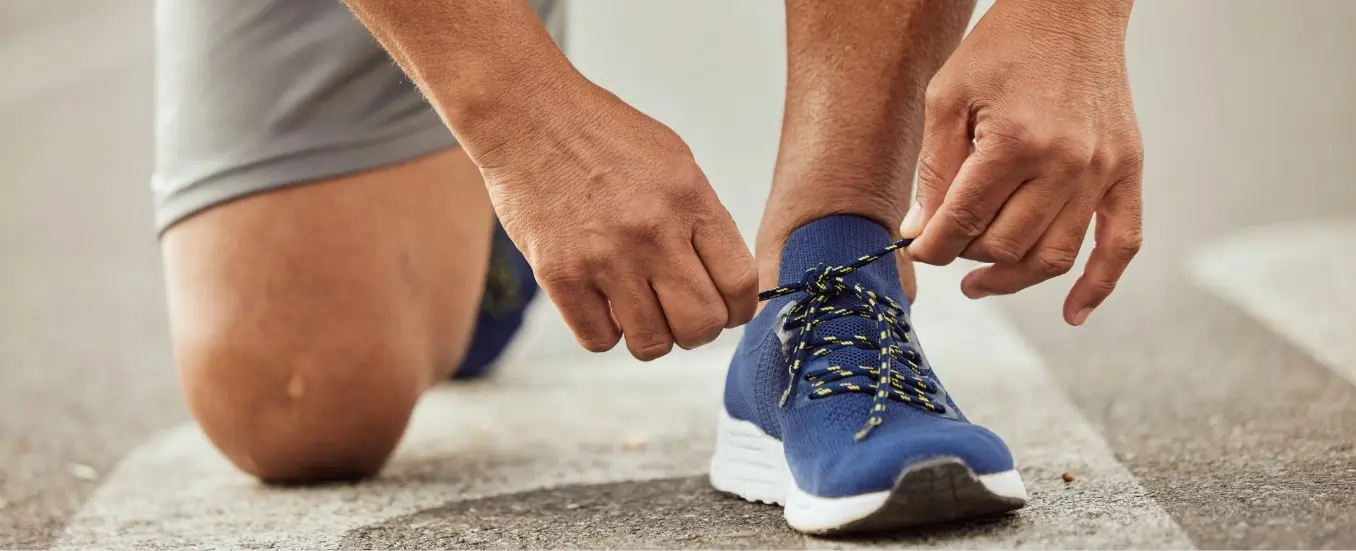
Benefits of Walking for Nerve Health
Has the thought of incorporating more physical movement into your daily routines crossed your mind, but you’re just unsure where to begin? Well, you can start with something as simple as walking from your current spot to other locations in your home, community, or workplace.
After all, something as simple as walking can be beneficial for nerve health and keep these structures found throughout the body in optimal shape. Take a closer look at some of the health benefits of walking for nerves and check out other strategies that’ll help boost their health.
Does Walking Help With Nerves? Here’s What Science Says
Clinical and observational studies have long suggested that physical activity and exercise, which includes daily walking, may have benefits for the nerves. For starters, results of this 2013 study published in the Journal of Diabetes and Its Complications discovered that 10 weeks’ worth of exercise helped improve resting heart rate and glycemic control while reducing pain in 38 adults with diabetic neuropathy1 or nerve damage linked to diabetes.2
Additional findings also showed that exercise helped promote recovery and reduced symptoms in people with peripheral neuropathy, or damage to the nerves surrounding the nervous system.3
Physical activity may contribute to improved conditions in people struggling with nerve pain through various mechanisms. These include maintaining an ideal balance between pro- and anti-inflammatory responses, increasing amounts of proteins that assist in protecting cells, and more.4 Aside from positive impacts for nerve health though, studies also uncovered additional benefits linked to walking, namely:5,6
- Improved aerobic fitness, particularly in terms of muscle strength and cardiovascular endurance
- Reduced body weight, body mass index (BMI), body fat percentage, resting diastolic blood pressure (DBP), and blood sugar levels
- Improved blood circulation and function of endothelial cells
- Enhanced bone mineral density, bone tissue conversion, and decreases in the rate of bone loss and fracture risk
- Lowered risk of hypertension, atherosclerosis, type 2 diabetes, respiratory diseases, certain types of cancer, and dementia
- Lowered stress levels and release of endorphins that help boost mood and induce relaxation
- Reduced risk of all-cause mortality
5 Ways to Add More Movement to Your Routine Even if It Seems Impossible
Wake up, commute to the office, work, commute back to your home, sleep, and repeat — this is what a day in the life looks like for a lot of office workers. While a daily routine like this may help pay the bills and bring people closer to their goals, their overall health may suffer as a result.
For example, people who sit all day at work may find themselves slouching or bending their spines into uncomfortable positions. This can be detrimental to their health because poor posture was revealed to trigger localized muscle fatigue, negatively impact the musculoskeletal system, and affect one’s physical function and abilities.7
Fortunately, even light, intermittent activity helps regulate glucose and circulation. Let these subtle yet impactful strategies help you move even when you’re at the office:
- Set an alarm to remind yourself to move: Having an audio-visual cue that it’s time to move can be helpful for some people. During this time, you can consider doing various desk exercises and stretches that can target body parts like the shoulders, upper body, and legs.8
- Consider using a standing desk: Aside from boosting productivity and focus, using a standing desk may help improve one’s posture, improve mood, and lower the risk of back pain, weight gain, and obesity.9 However, standing too long can also cause lower limb strain, so alternating positions from time to time is ideal.
- Incorporate movement even with simple tasks: If your schedule is so grueling that it’s difficult to leave your desk for extended periods of time, why not add incidental movements to seemingly common tasks? For example, you can take a work call or meeting standing up or while walking, move around the office each time you send an email, or take the longer “route” back from a conference room to your desk.10 If you want an extra challenge, you can also try taking the stairs going to or from your floor instead of taking an elevator.11
- Eat more vitamin B-rich food: On top of extra movement, one shouldn’t forget that a diet plays a role in optimal health. Your nerves can benefit from food choices with B vitamins, which help enhance nerve health and create energy, among other benefits. Good choices include salmon, tuna, beef, chicken, pork, eggs, avocados, and whole grains.12
- Consider a vitamin B supplement: Remember that nerve health also relies on sufficient B vitamin intake. If you aren’t able to eat a lot of B vitamin-rich food, consider a supplement like Pharex® B-Complex that contains Vitamins B1, B6, and B12. These three B vitamins work together to keep your nerves healthy and strong.13 They may help your nerves repair themselves, prevent vitamin deficiencies, and even ease muscle and nerve pain.14
Whether you settle for something as simple as walking or take things up a notch with exercise routines at your desk, it’s undeniable that movement can be meaningful for your nerves.
Don’t forget about this critical component of overall health and ask your doctor about Vitamin B1+B6+B12 (Pharex® B-Complex), taken together with proper diet and exercise. This supplement has 100 mg of vitamin B1 (thiamine), 5 mg of vitamin B6 (pyridoxine), and 50 mcg of vitamin B12 (cyanocobalamin), all of which work together to help:14
- Protect the many nerves found within the body
- Ensure signals are properly transmitted between nerve cells
- Prevent and address B vitamin deficiencies
Suggested use of Vitamin B1+B6+B12 (Pharex® B-Complex) is one (1) to two (2) tablets daily, or as recommended by a doctor. Vitamin B1+B6+B12 (Pharex® B-Complex) is available in leading drugstores nationwide and online via Lazada and Shopee at a suggested retail price (SRP) of Php5.50 per tablet.
Consult your doctor before starting supplements, especially if you have medical conditions or take other medications.
If symptoms persist, consult your doctor.
- Kluding, P. M., Pasnoor, M., Singh, R., et al. (2012). The effect of exercise on neuropathic symptoms, nerve function, and cutaneous innervation in people with diabetic peripheral neuropathy. Journal of Diabetes and Its Complications, 26(5), 424–429. https://doi.org/10.1016/j.jdiacomp.2012.05.007
- Diabetic neuropathy - Symptoms & causes - Mayo Clinic. (2022, April 29). Mayo Clinic. Retrieved September 29, 2025, from https://www.mayoclinic.org/diseases-conditions/diabetic-neuropathy/symptoms-causes/syc-20371580
- Peripheral neuropathy. (2022, October 14). Cleveland Clinic. Retrieved September 29, 2025, from https://my.clevelandclinic.org/health/diseases/14737-peripheral-neuropathy
- Leitzelar, B. N., & Koltyn, K. F. (2021). Exercise and Neuropathic Pain: A General overview of Clinical research. Sports Medicine - Open, 7(1). https://doi.org/10.1186/s40798-021-00307-9
- Ungvari, Z., Fazekas-Pongor, V., Csiszar, A., & Kunutsor, S. K. (2023). The multifaceted benefits of walking for healthy aging: from Blue Zones to molecular mechanisms. GeroScience, 45(6), 3211–3239. https://doi.org/10.1007/s11357-023-00873-8
- Dobson, J. L., McMillan, J., & Li, L. (2014). Benefits of exercise intervention in reducing neuropathic pain. Frontiers in Cellular Neuroscience, 8. https://doi.org/10.3389/fncel.2014.00102
- Lu, L., Robinson, M., Tan, Y., et al. (2020). Effective assessments of a Short-Duration Poor posture on upper limb muscle fatigue before physical exercise. Frontiers in Physiology, 11. https://doi.org/10.3389/fphys.2020.541974
- Cleveland Clinic. (2023, January 19). 6 desk exercises that help you get stronger while working. Retrieved November 24, 2025, from https://health.clevelandclinic.org/desk-exercises
- Cleveland Clinic. (2025, July 17). Standing desks have outstanding benefits. Retrieved September 29, 2025, from https://health.clevelandclinic.org/benefits-of-standing-desks
- 5 ways to stay active at work | Live Healthy | MU Health Care. (2024, June 21). Retrieved September 29, 2025, from https://livehealthy.muhealth.org/stories/cant-ditch-desk-5-ways-stay-active-work
- American Heart Association. (2024, January 22). No time for exercise? Here are seven easy ways to move more! www.heart.org. Retrieved October 2, 2025, from https://www.heart.org/en/healthy-living/fitness/getting-active/no-time-for-exercise-here-are-7-easy-ways-to-move-more
- WebMD Editorial Contributors. (2022, December 2). Foods high in B vitamins. WebMD. Retrieved November 24, 2025, from https://www.webmd.com/diet/foods-high-in-b-vitamins
- Calderón?Ospina, C. A., & Nava?Mesa, M. O. (2019). B Vitamins in the nervous system: Current knowledge of the biochemical modes of action and synergies of thiamine, pyridoxine, and cobalamin. CNS Neuroscience & Therapeutics, 26(1), 5–13. https://doi.org/10.1111/cns.13207
- Vitamin B1+B6+B12 (Pharex® B-Complex) Product Information Leaflet. Date of Revision April 2023.

Let your circle know about this article




Alam mo ba na ang working habits ay pwedeng maging sanhi ng sakit sa nerves? Alamin kung bakit ito nangyayari at anong pwedeng gawin para maiwasan ang mga ito.


Early intervention can help prevent long-term nerve damage. But how can you tell if your nerves are damaged? Find out before it’s too late with this read.

B vitamin deficiencies manifest in older adults through signs like fatigue and shaky hands and feet. Learn why this health issue is common among them.

Did you know that the body is home to different types of nerves that help with overall function? Learn more about them with this guide.

In 1987, Pharex then shifted to marketing and distributing generic products, while appointing Metro Drug as its exclusive brand distributor. This move proved to be timely because of the passing of the Generics Act of 1988. Many successful years followed, and in 2016, Pharex was acquired by RiteMED Inc. Even after more than 35 years in the industry, Pharex remains committed to empowering Filipino families by providing them with top-notch healthcare solutions.
More on Pharex here

27th Floor Greenfield Tower, Mayflower St. Corner Williams St., Highway Hills, Mandaluyong City


For other questions, please contact us at (02) 7971-3333 or at productsafetyph@pharexhealth.com
